Sudanese Kitchen · Washington D.C.
Kisra
Fermented sorghum. Slow-cooked mullah. A table that remembers you.
The Table
What arrives
at your plate.
Each dish carries a geography. Click any card to read where it comes from and what makes it taste the way it does.
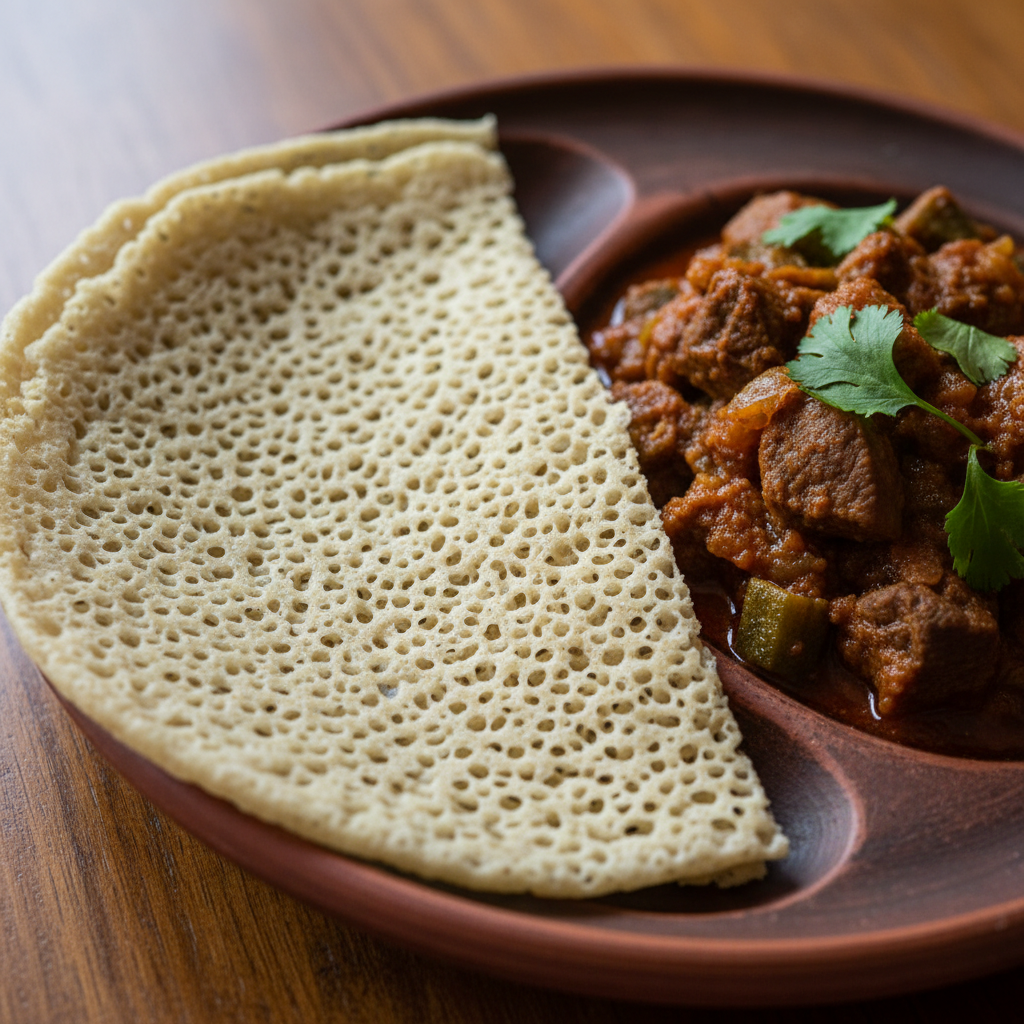
Khartoum, Northern Sudan
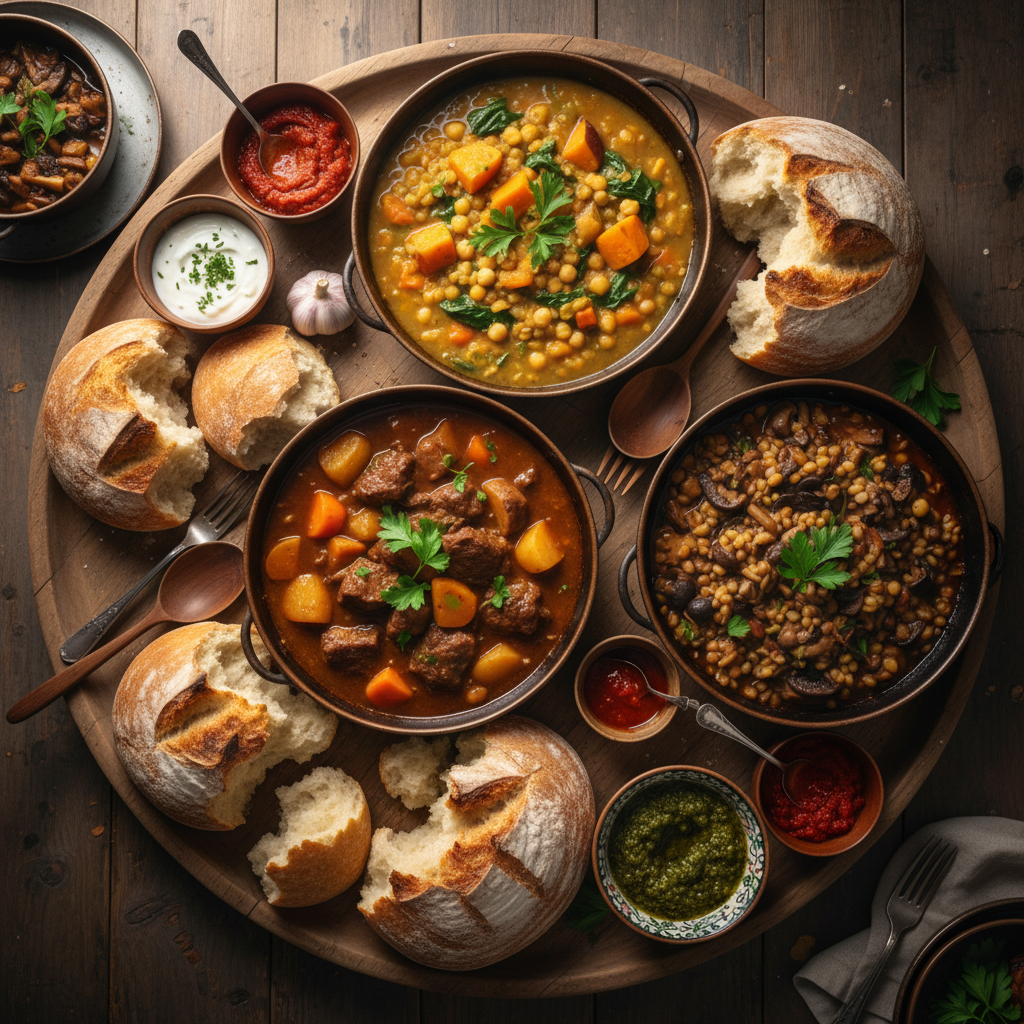
Kisra & Mulah Lahm
The bread that began everything.
Kisra & Mulah Lahm
The bread that began everything.
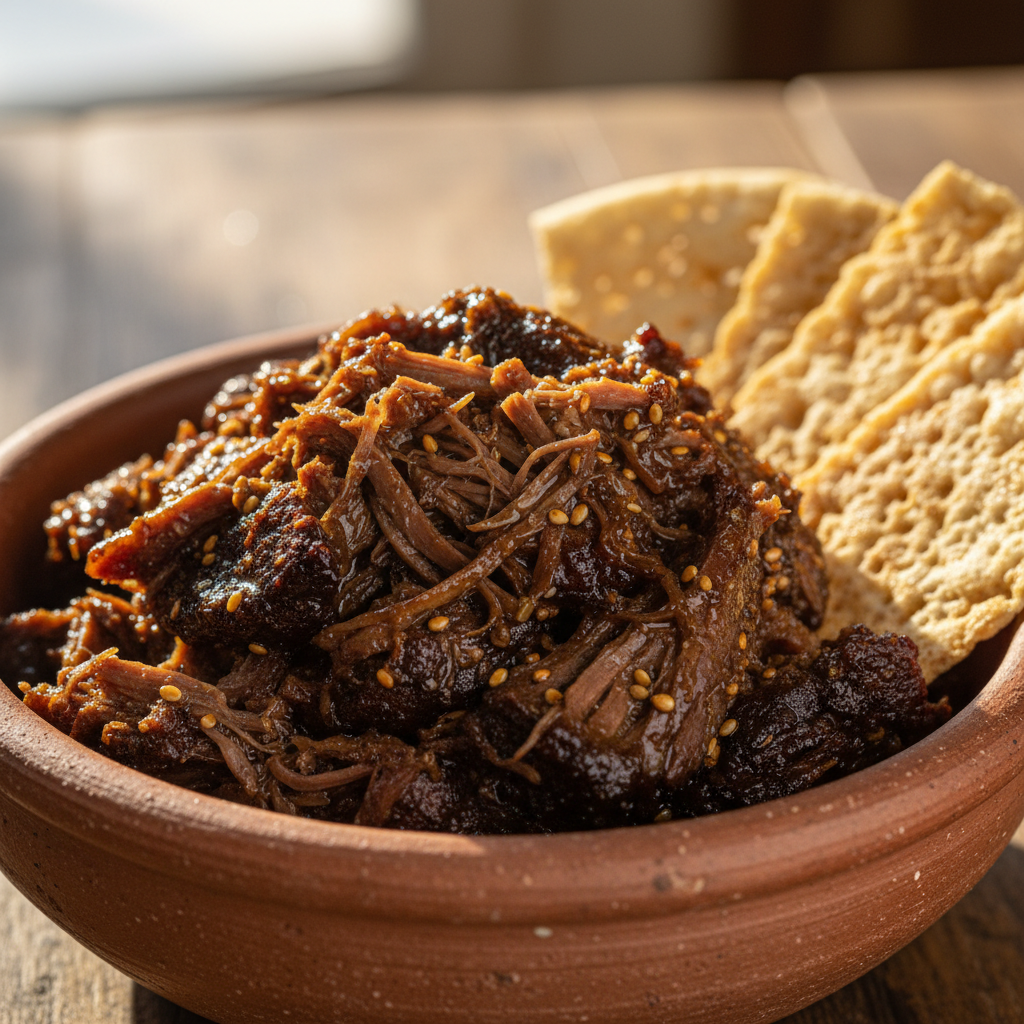
Darfur Region
Sharmout Aswad
Sun-dried beef, centuries of patience.
Sharmout Aswad
Sun-dried beef, centuries of patience.
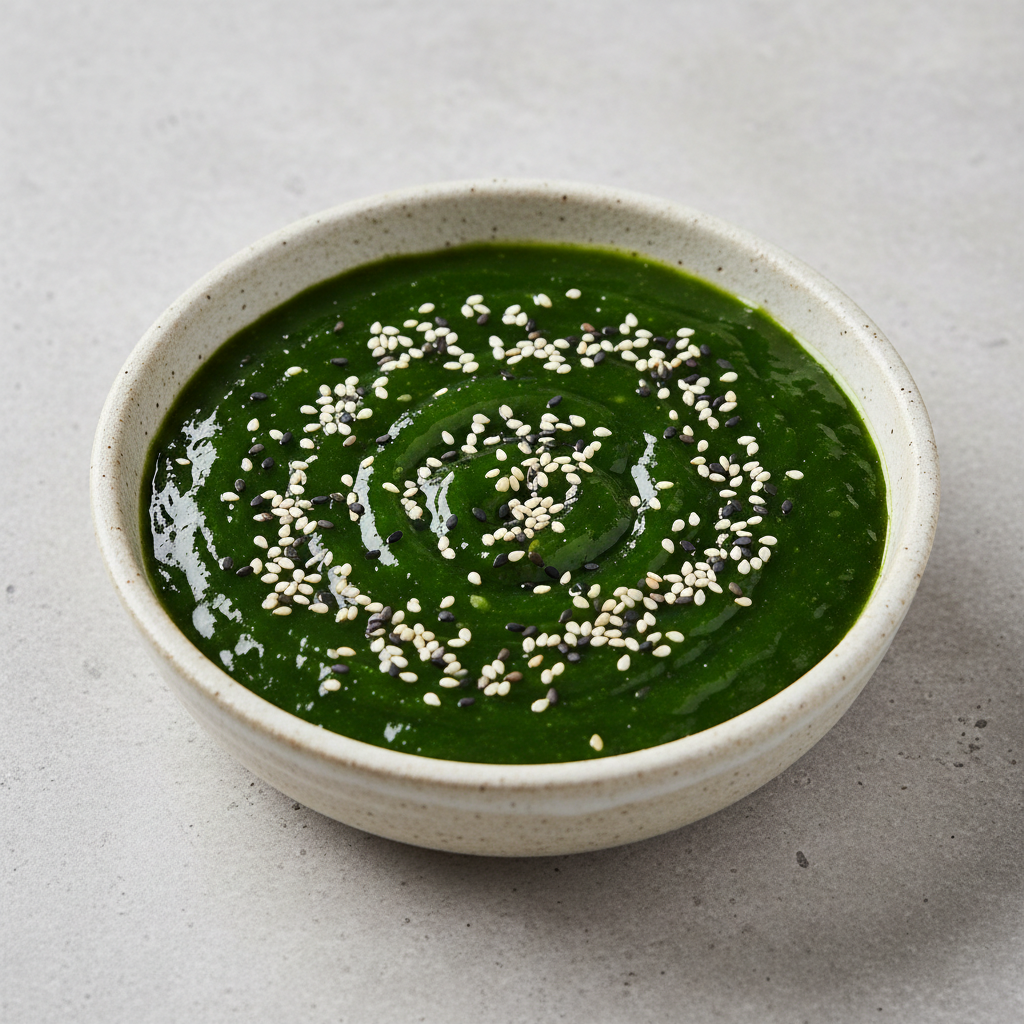
Southern Sudan & South Sudan
Waika — Dried Okra Stew
Slimy is a texture, not a flaw.
Waika — Dried Okra Stew
Slimy is a texture, not a flaw.
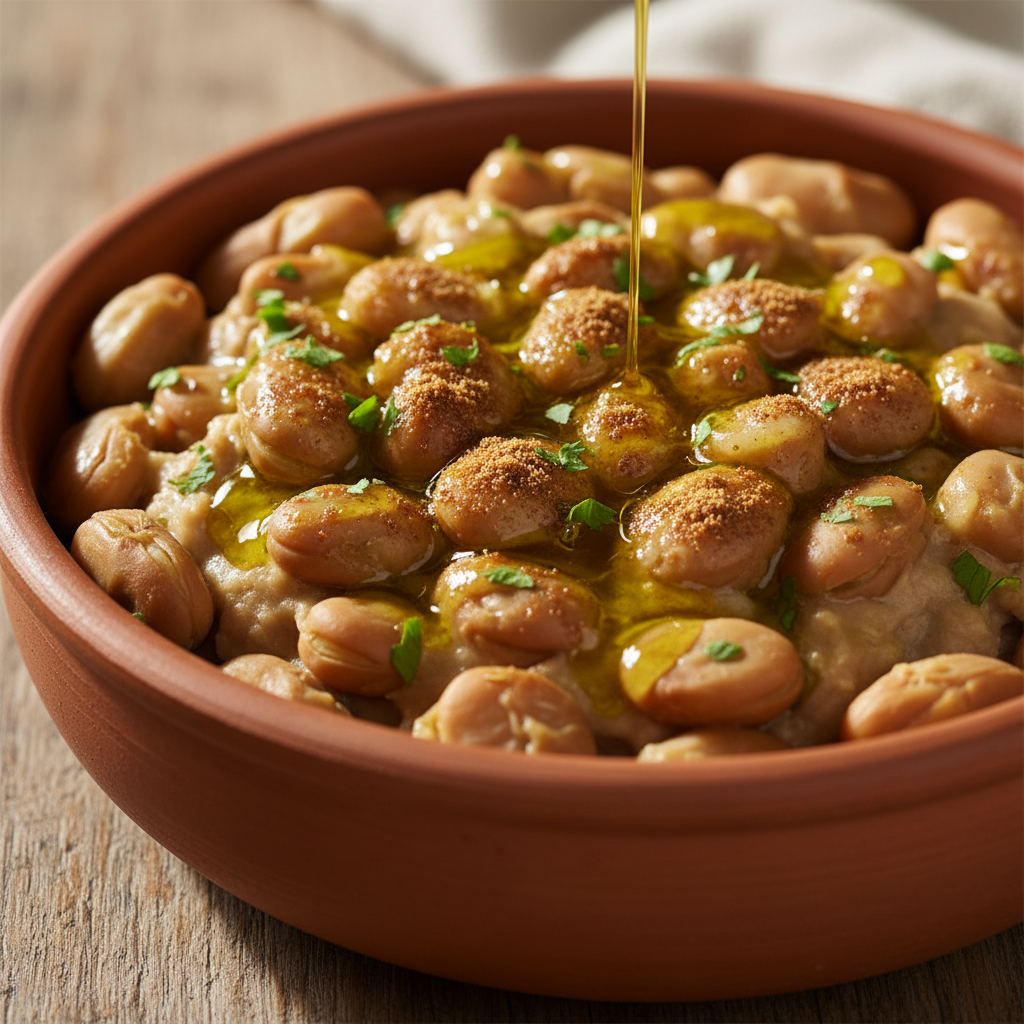
Nile Valley
Foul Medames
Breakfast that outlasted empires.
Foul Medames
Breakfast that outlasted empires.
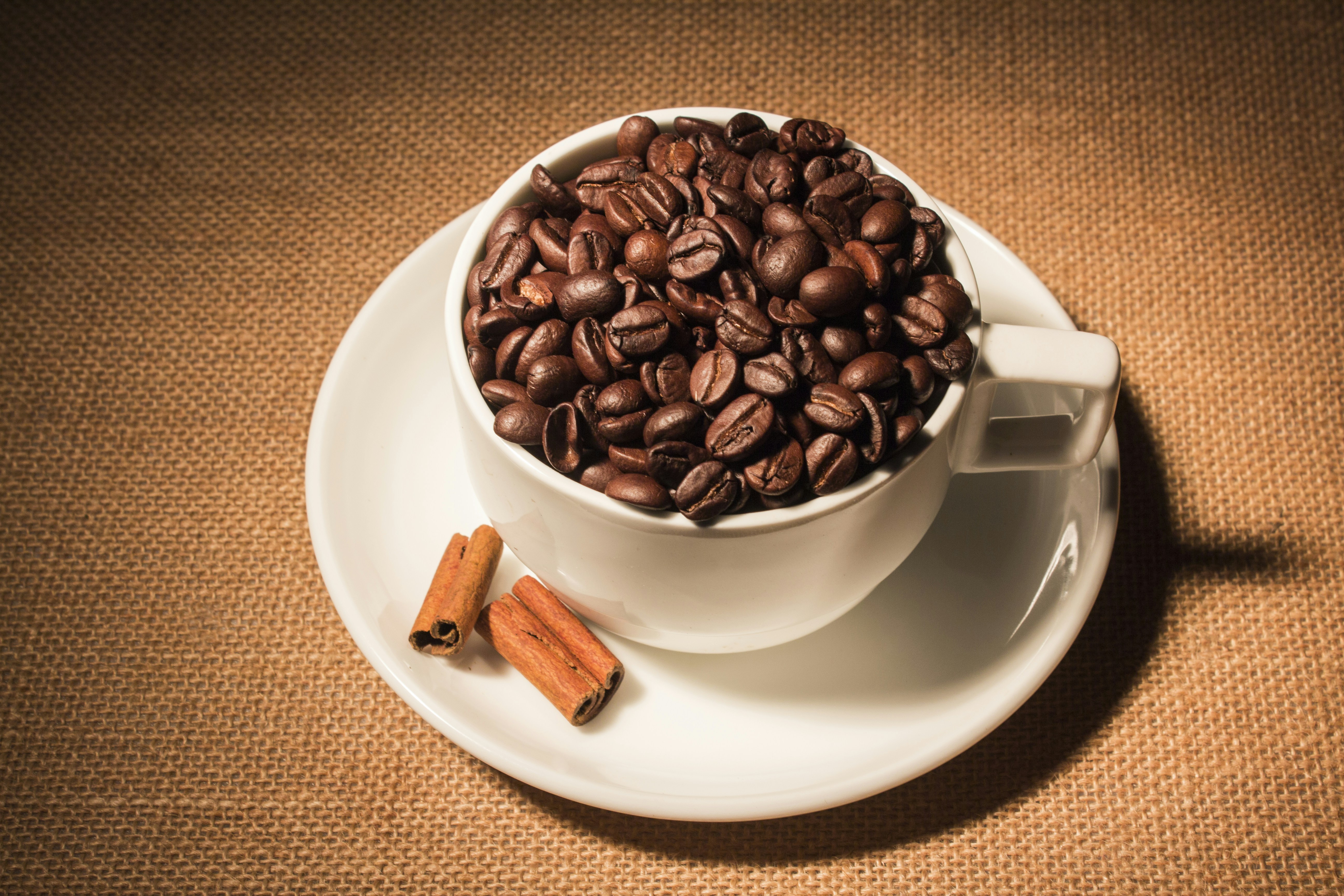
Across All Sudan
Jabana Coffee
Cinnamon in the steam before the pour.
Jabana Coffee
Cinnamon in the steam before the pour.
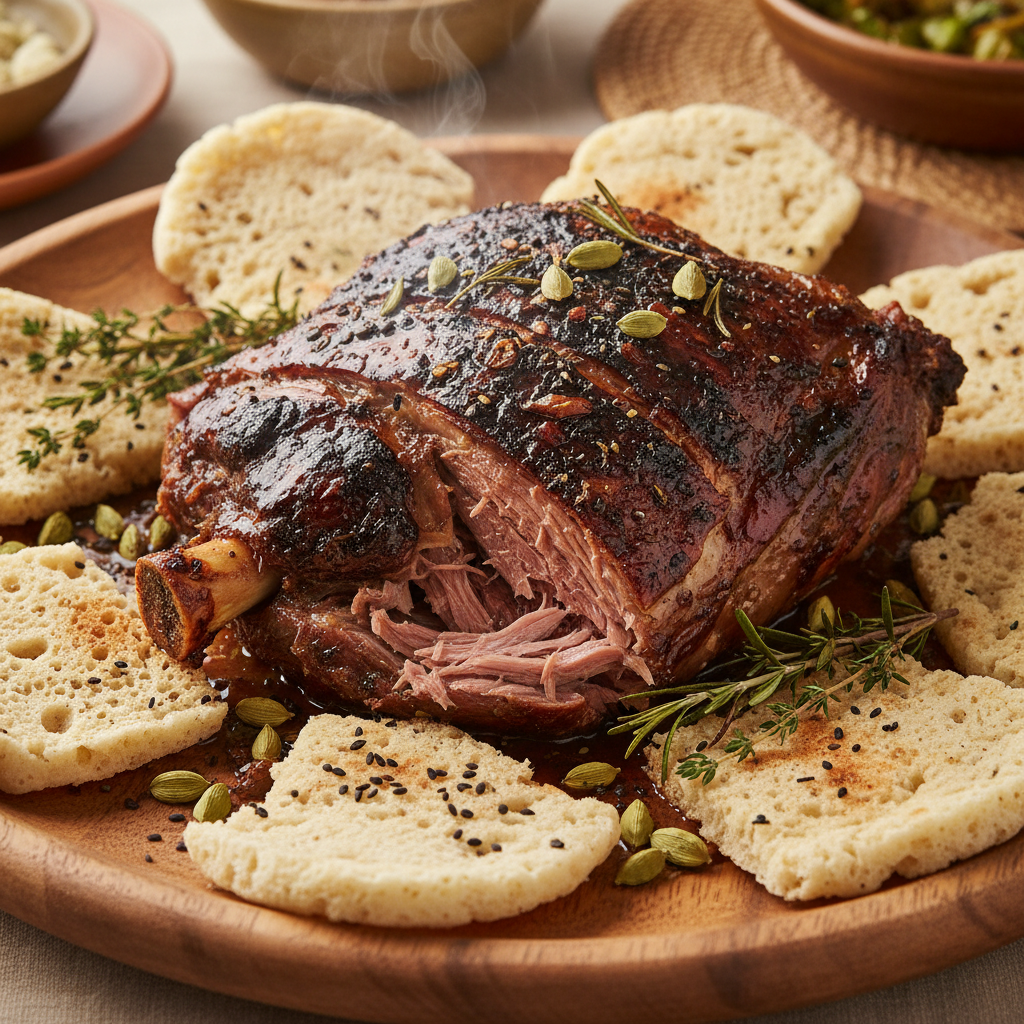
Khartoum
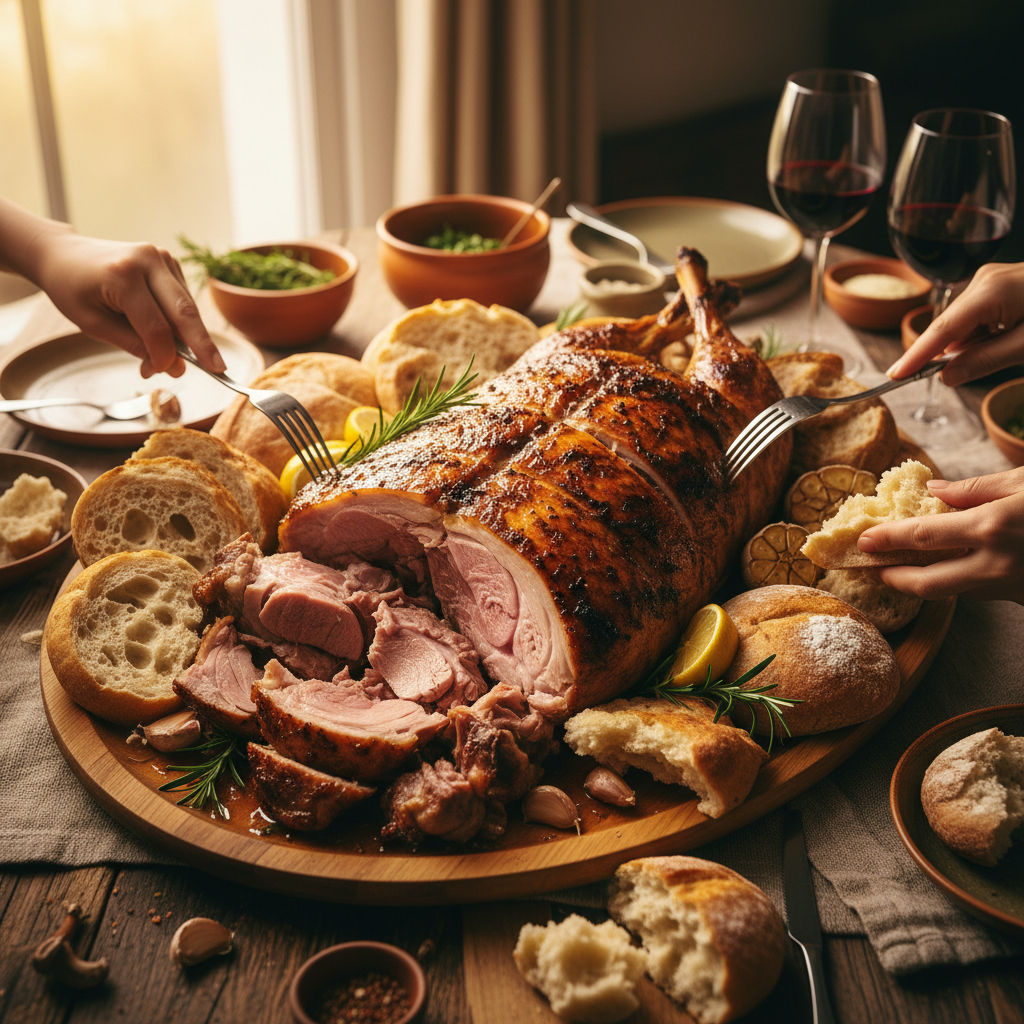
Lamb Shoulder — Kabab Hashi
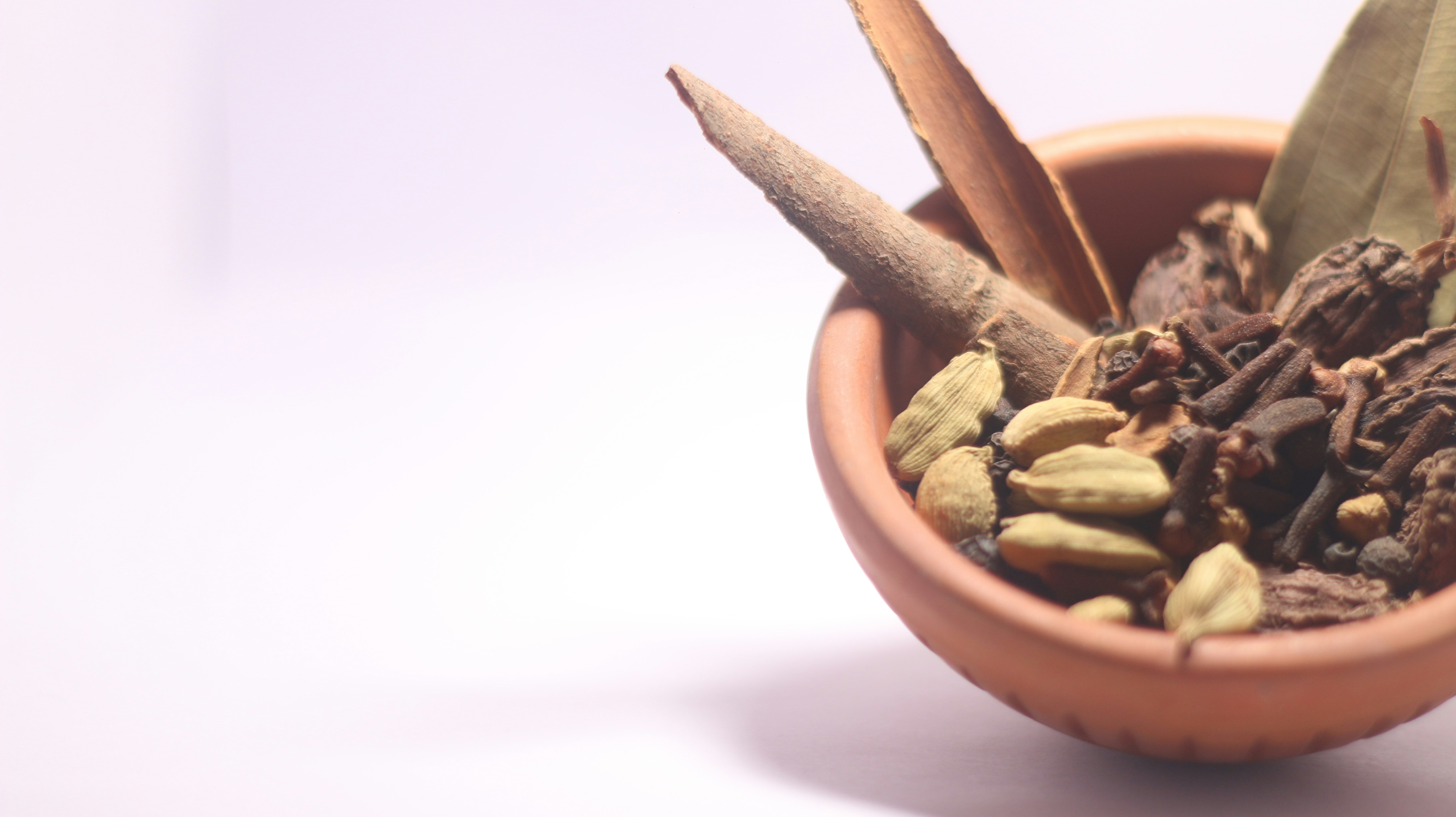
Cardamom does what nothing else can.
Lamb Shoulder — Kabab Hashi
Cardamom does what nothing else can.
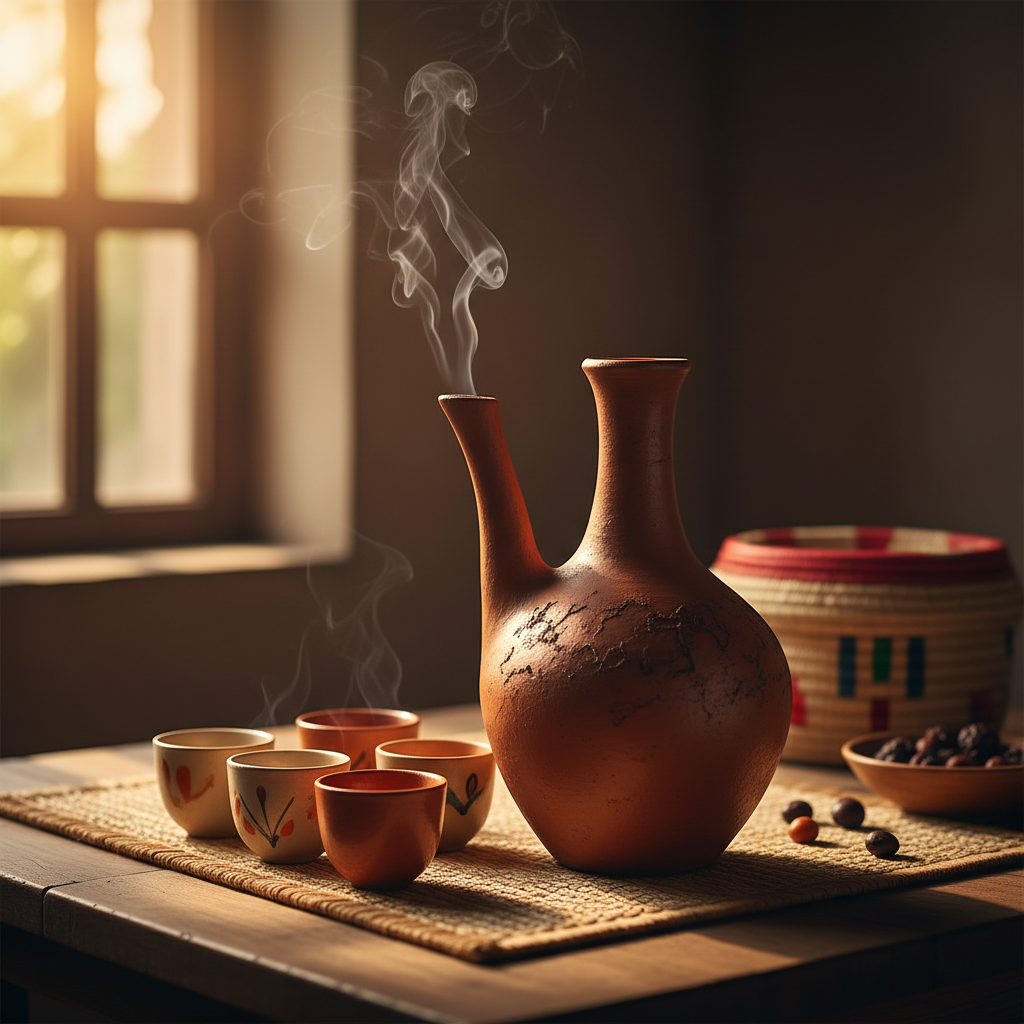
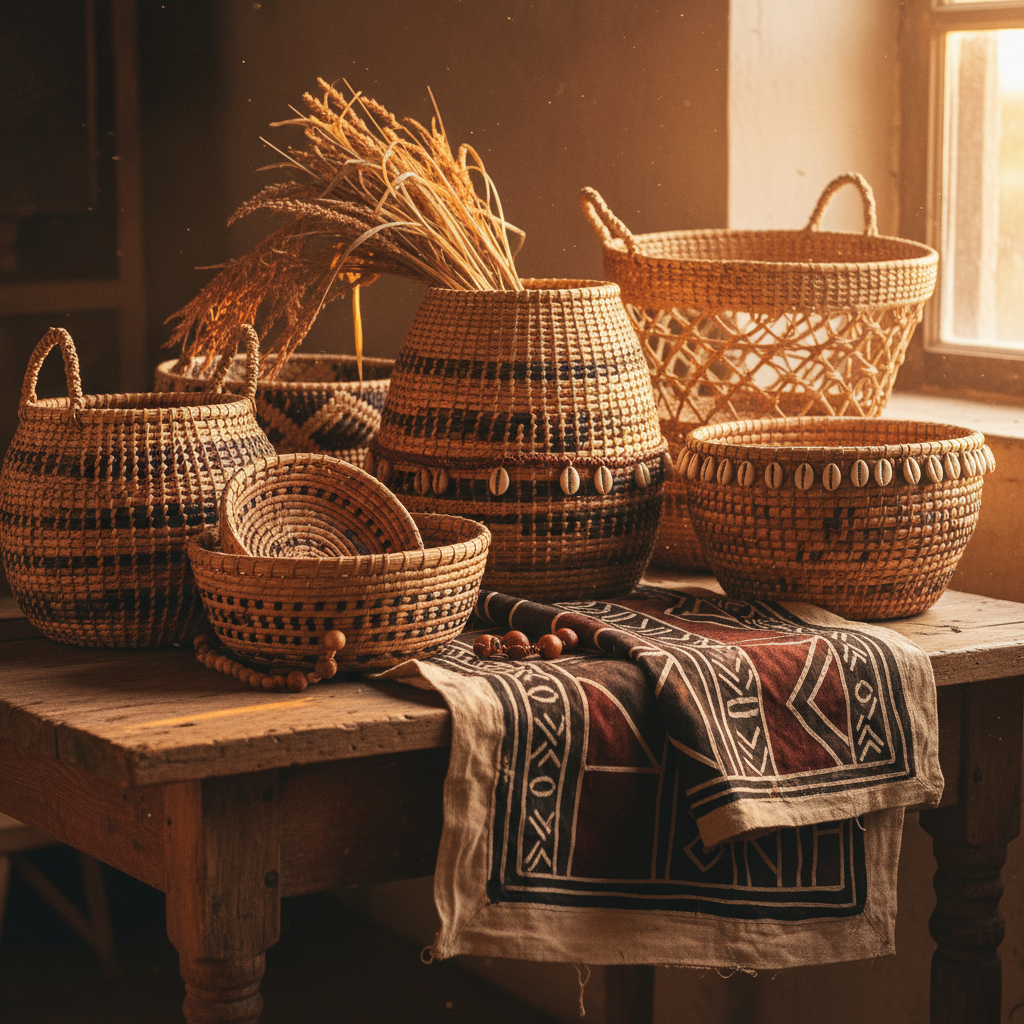
The Heartbeat
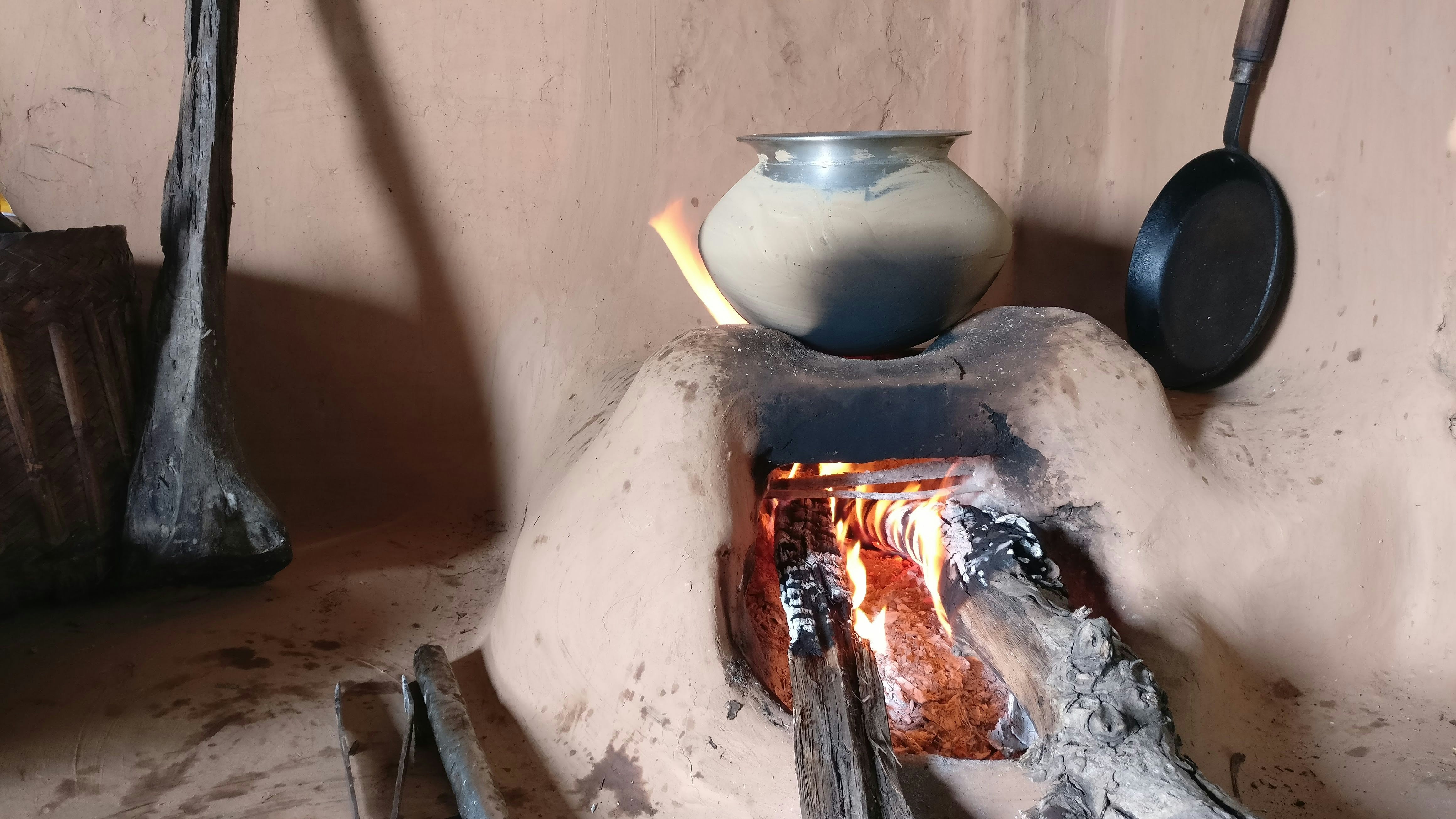
A dimly lit kitchen.
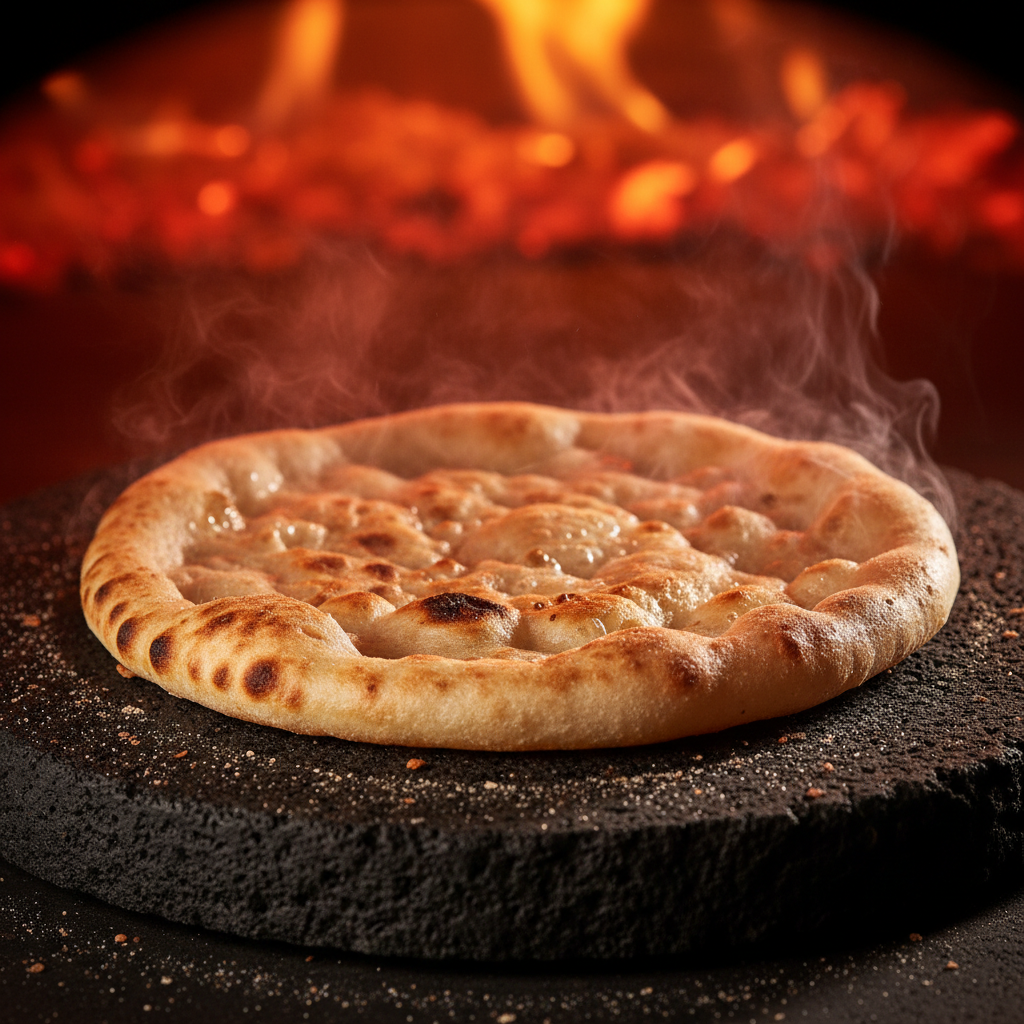
A hot stone. Steam.
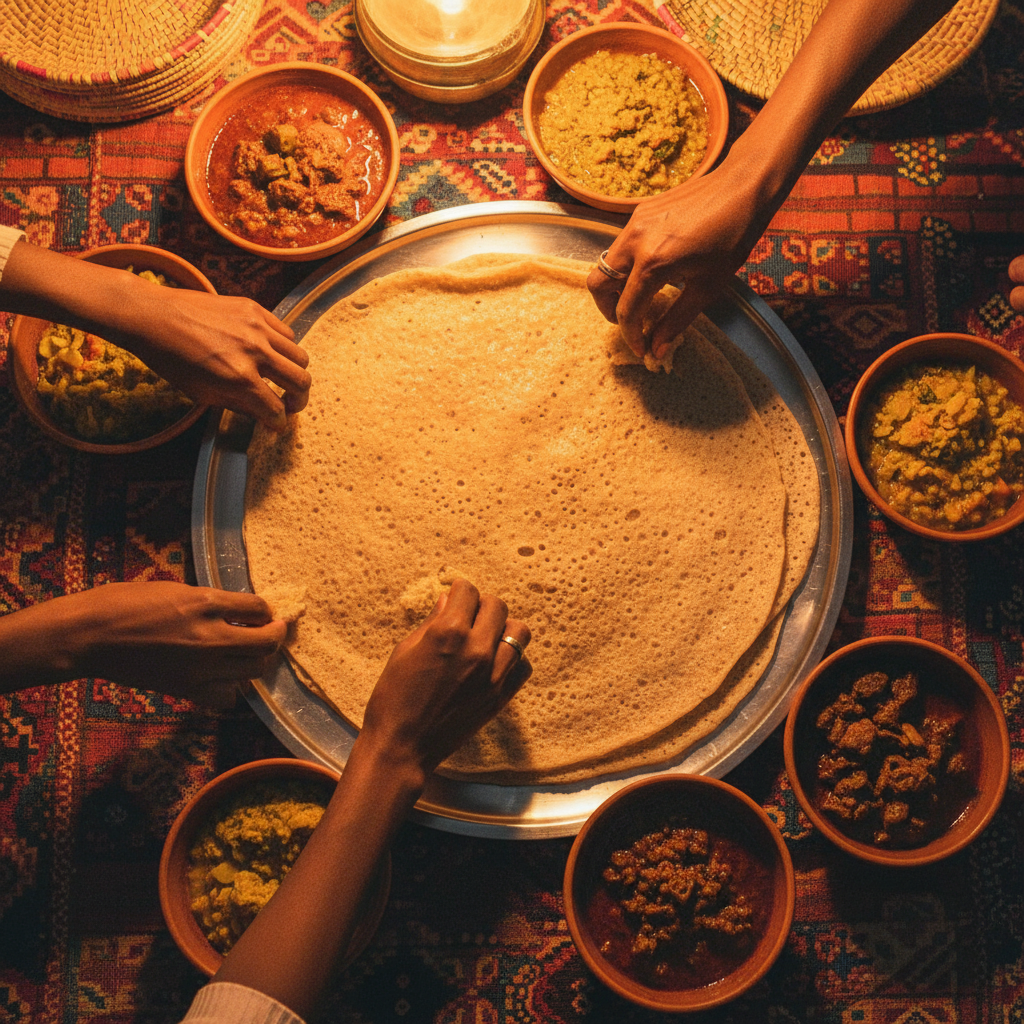
Kisra begins with sorghum — a grain that has sustained the Nile Valley for 8,000 years. The batter ferments overnight, developing a sour, yeasty character that no other flour can replicate. Spread wafer-thin on a saaj stone using a gargariba, it blisters into translucent sheets that carry the warmth of whoever made them.
We are a restaurant, but we are also a table. The seniyya — the wide aluminum communal platter — sits at the center of every meal we serve. You eat together, or you eat wrong.
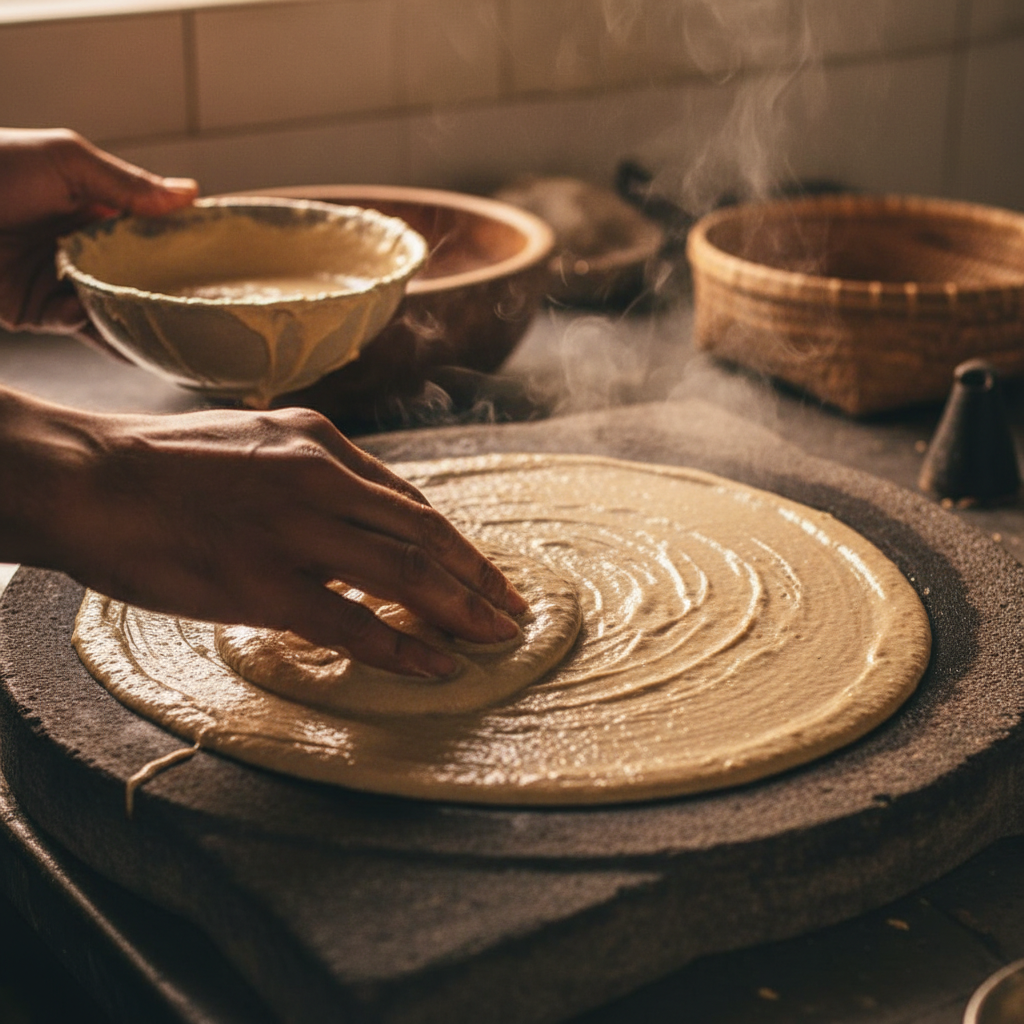
"The making of kisra is not a recipe. It is a memory passed hand to hand."
Omer Al Tijani · The Sudanese Kitchen, 2025
Years of Sorghum
8,000
Sorghum cultivation along the Nile predates most recorded agriculture. It remains Sudan's most important export crop.
CNN World Top 50 Breads
2025
Kisra was named one of the world's fifty most significant breads by CNN in 2025 — one of the most unknown cuisines finally recognized.
Families Fed Weekly
200+
From our Washington D.C. kitchen, we serve diaspora families, curious newcomers, and everyone in between — every week, without reservation.
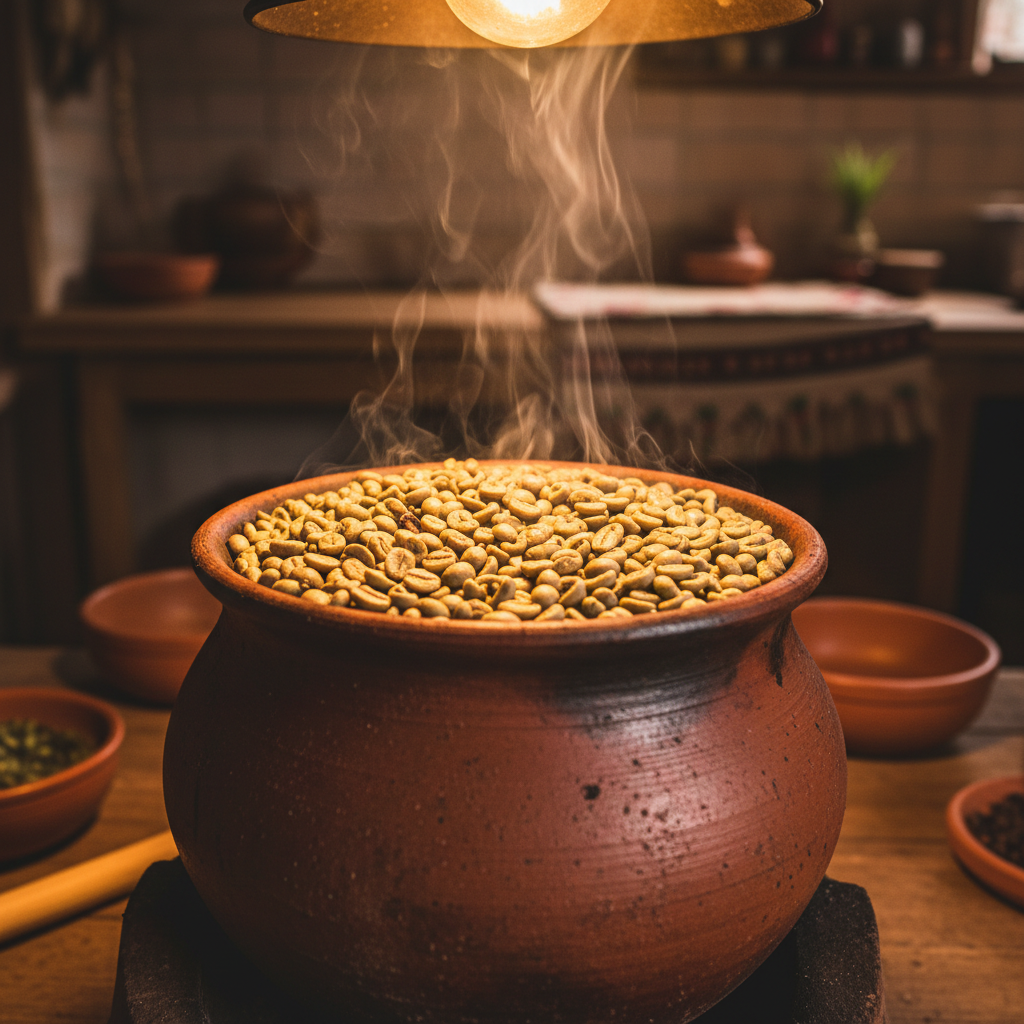
"The first cup is for the host."
Sudanese coffee tradition
The Ceremony
Jabana.
Twelve minutes.
Three pours.
The Roast
Green beans in the jabana clay pot over coals. The kitchen fills with smoke that smells of cinnamon and caramel. You hear the beans crack before you see the color change.
The Steep
Ground by hand, steeped three times. Each pour progressively lighter, each cup with its own meaning — strength, sweetness, memory.
The Pour
Served with roasted peanuts and a single stick of cinnamon bark. The ceremony takes twelve minutes. It is the best twelve minutes of the evening.
Voices
Loved by those
who came once.
The mulah tasted exactly like my mother made it in Khartoum. I had to put the fork down for a moment. I didn't expect to feel that way in a restaurant in D.C.

Amira Hassan
Sudanese-American, Silver Spring MD
We found Kisra through a food blog and went not knowing what to expect. By the second dish we were already planning when to come back. The kisra bread is unlike anything.
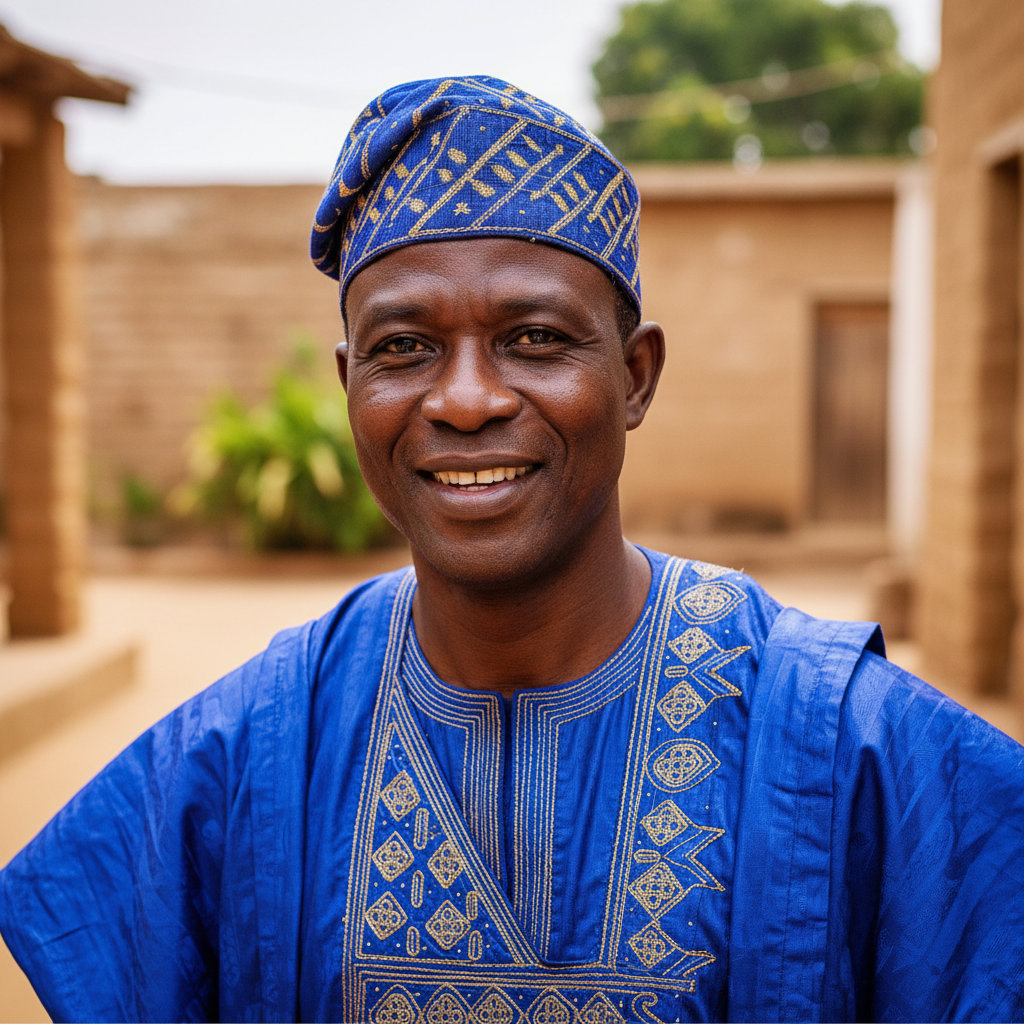
James & Priya Okafor
Food writers, Eater DC
Our office team dinners had become predictable. Kisra ended that. Everyone had questions, everyone had seconds, and two people have gone back on their own since.

Rachel Thornton
Team Lead, Brookings Institution
CNN Top 50 Breads 2025
Come Hungry
Your seat
is already warm.
No deposit. No account. Just a date, a size, and — if you'd like — a reason. Confirmation arrives by text within a minute.
Hours
Tue–Sun · 5pm – 11pm
Location
1847 U Street NW, Washington D.C.
Reservations
+1 (202) 555-0194